AI Voice & Multimodal Systems.
AI beyond text: natural voice interactions, real-time audio, and systems that reason across text, images, audio, and structured data simultaneously.
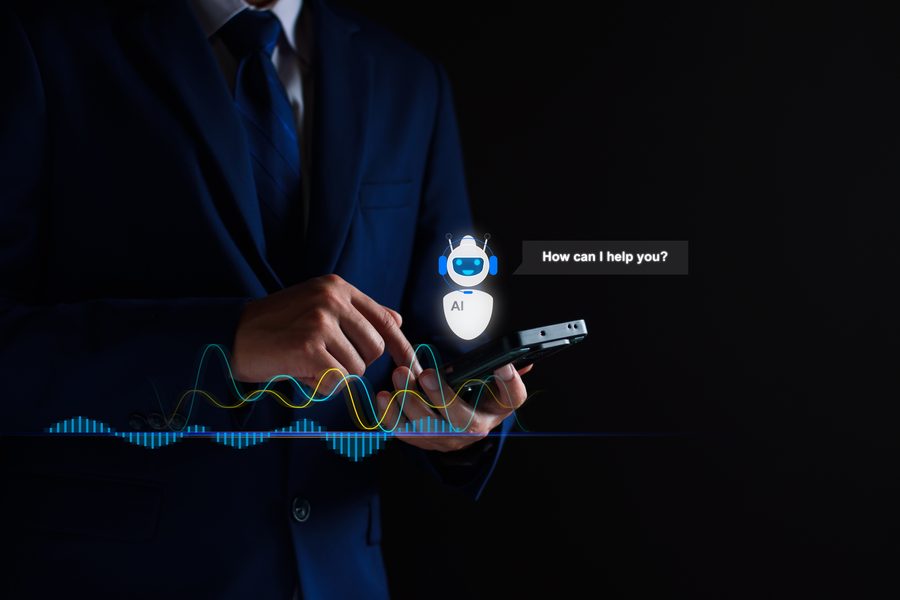
AI beyond text: natural voice interactions, real-time audio, and systems that reason across text, images, audio, and structured data simultaneously.
Voice and multimodal AI extend AI capability beyond text, enabling natural voice interactions, real-time audio processing, and systems that reason across text, images, audio, and structured data simultaneously. DashMindsIQ builds voice and multimodal systems for customer-facing, field, and operational use cases.
AI voice agents handle inbound and outbound telephone interactions autonomously, answering customer queries, collecting information, verifying identity, completing transactions, and escalating to human agents when the situation requires it. Modern AI voice agents are markedly different from the IVR systems they replace: they understand natural speech, handle interruptions and topic changes, maintain conversational context, and resolve queries that previous voice automation could not approach.
DashMindsIQ builds voice agent systems covering the full technical stack: speech-to-text, natural language understanding, dialogue management, text-to-speech, and telephony integration. We design voice agents for the specific use case, whether inbound customer service, outbound appointment confirmation, collections, or lead qualification, with the conversational flows, escalation logic, and performance monitoring that production deployments require.
Multimodal AI systems process and generate content across multiple modalities, including text, images, audio, video, and structured data, in a single coherent system. The commercial applications range from document processing that combines text extraction and image interpretation, to quality control systems that correlate visual defect images with production sensor data, to customer service systems that handle both text messages and image attachments in the same conversation.
DashMindsIQ builds multimodal systems using the latest vision-language models (GPT-4o, Gemini 1.5, Claude 3.5) alongside specialised audio and vision models where the use case demands greater depth in a specific modality. System design accounts for the unique engineering challenges of multi-modal pipelines: coordinating asynchronous processing of different input types, managing the context window constraints of multi-modal models, and building evaluation frameworks that assess output quality across modalities.